

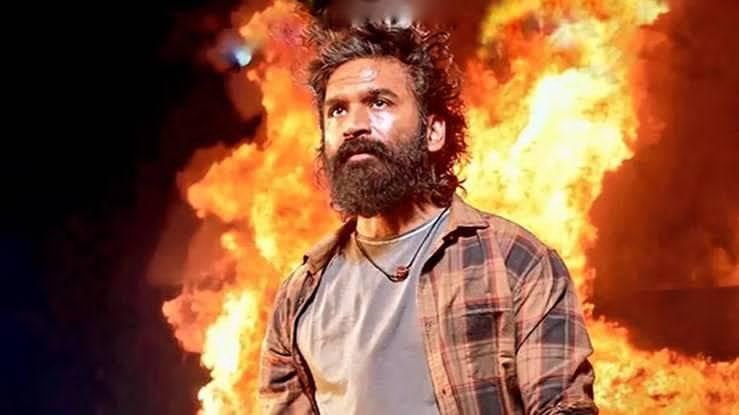
Dhanush is a performer with acting finesse so brilliant that he blends well with any genre, and yet he brings something entirely unique when he steps into intense love stories, nearly embracing the genre and making it his own. Especially his cult classic, Raanjhanaa and the recently released Tere Ishk Mein, have made him someone who has established a genre of his own. Rave reviews from critics, audiences and the film’s never-ending shelf life on social media signalled that intense love stories suit Dhanush naturally.
Films like Maari, Idli Kadai, Kuberaa and many more have shown many shades of him, affirming his magnanimous pan-India appeal and solidifying the fact that every genre that Dhanush steps into, he serves a masterclass. But, he enters an entirely different league when he steps into characters like Kundan from Raanjhanaa and Shankar from Tere Ishk Mein. He brings a striking contrast of innocence and rage to his characters, a feeling of love that’s consuming and the destruction it can create when it gets obsessive – offering audiences a perfect blend of intense emotions such as love, rage, betrayal and vengeance and wrapping it up with entertainment to serve a perfect cinematic treat – exactly what the fans of Dhanush expect from him.
With an expressive face that converses more than dialogues, Dhanush feels the character first and performs then, such that he disappears behind his character to let it breathe and let it travel to the viewers. With a deep understanding of the genre, his character and the nature of the storyline, Dhanush makes his performance feel so real that it reflects his experience of serving spot-on performances – one after the other! And the results? Not just pure box office rampage, but also the social media conversations and the outpour of love that continues long after the film has left an impact with its theatrical run.
The impression he casts with love stories like Raanjhanaa and Tere Ishk Mein makes it safe to say that the actor was born to redefine the genre, and make audiences ‘feel’ rather than simply add another title to his body of work.

